
Ever since skin care devices became available and affordable to the masses, there’s hardly a month without some new gadget being touted as “the best skin care device for your face ever”!
However, just because these skin care tools are affordable doesn’t mean they’ll be as good as professional treatments for your skin. And, in most cases, they won’t be as powerful either, for safety reasons.
So which of the most popular skin care tools are actually good? And which ones should you rather skip?
Let’s look at them in detail!
Disclosure: Some of the links below are so-called provision links, meaning, at no additional cost to you, I can earn a commission if you click through and make a purchase.
Gua Sha

A Gua Sha stone is probably the most common skin care tool you’ll find in people’s bathrooms. The reason? It’s really affordable, hard to break, and there’s no reason NOT to have it!
Gua Sha is an ancient Chinese practice involving – you guessed it – massaging with a Gua sha stone. This can help with lymph drainage and blood circulation. What does that mean for your face? Exactly, less puffiness and a fresher glow!
Related: How to use Gua Sha on your face & everything else you need to know
Related: The best Gua Sha on Amazon for every need
Jade roller

A jade roller works similarly to a Gua sha stone. But instead of massaging along the “edges” of your face, it glides over the surface. This means, it will work really well for lymphatic drainage, but not so well for fascial release.
So if you want to “foam roll” your face, opt for the Gua Sha. If you mainly care about puffiness, a jade roller will work very well!
Related: Which is better jade roller or gua sha?
LED mask
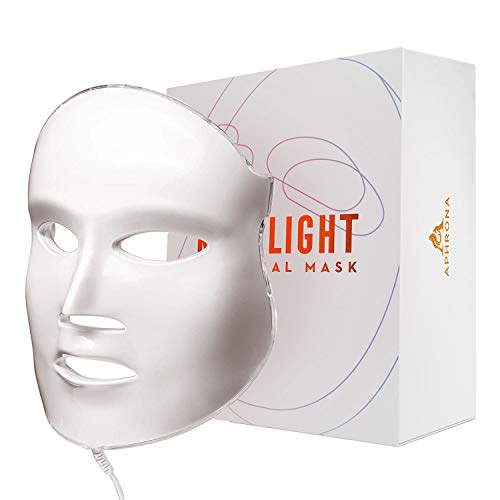
Ok, let’s be honest, these just look super cool! Who doesn’t want to look like some futuristic robot while improving their skin health?
But do those LED masks actually work? The answer is: maybe.
One of the things to look out for in your mask is the color of the light.
We know, for example, that red light can significantly reduce inflammatory acne. Blue light, on the other hand, might rather cause oxidative stress. Not what we want at all!
Related: Hyaluronic acid and acne – What you need to know
Another question is, if those masks are even strong enough to do anything to your skin. Of course, they can’t be as strong as medical equipment, for safety reasons.
For now, study results are rare and unreliable. So, as cool as they look, I’m skipping the mask for now and will wait for more information.
Facial Steamer

Steaming your face is the oldest trick in the book. I bet everyone who has skin problems has been told at least once in their life to try steaming.
But in recent years, there have been lots of voices speaking out against steaming. So what gives?
The fact is, steaming can have great benefits for your skin. It opens up your pores, making it easier to remove blackheads and also helping with product absorption. It can help with hydration and promote circulation, which, in turn, helps with collagen production.
However, all of these things can also be detrimental to people with certain skin issues. No one with rosacea wants increased circulation!
The effect of heat on the face can also be quite irritating to eczema or acne skin. So, if you’re already dealing with inflammation or other problems, be super careful around a steamer.
If you want to use it, keep the sessions short and follow the instructions of the facial steamer to a T!
Related: Ideas for the best Skincare Xmas gifts in 2022
Microneedling

Microneedling! The trend making you look like someone literally needled your face. Which, uh, kinda happens when using these tools.
So personally, I do NOT like needles. Even if this was the most beneficial skin care tool in the book you probably wouldn’t see me using it.
But honestly, it really isn’t that great for you. At least not to use it at home. The reason for this is simply that it’s hard to properly sterilise these rollers at home.
And guess what – if it’s not sterile, you be introducing all the germs and whatnot on that roller DEEPLY into your skin.
Sounds like a nightmare to me!
However, doing several micro needling treatments done by a professional has lots of benefits for sure. So if you can get over the needle part, I definitely recommend that option!
Dermaplaning razor
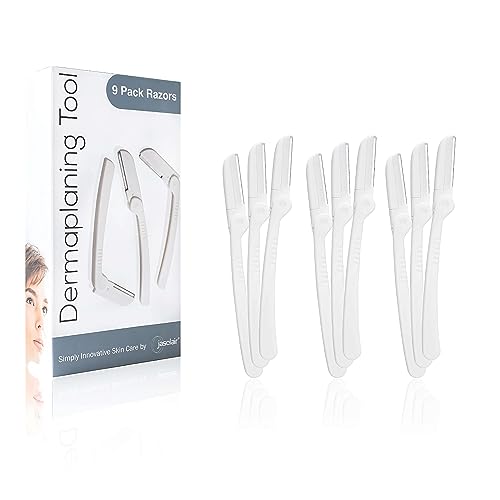
Dermaplaning is basically physical exfoliation. It removes the top skin layers (cells, not the whole skin!) and any facial hair you might have.
Usually, you would get a derma planing treatment done by a dermatologist. But, alas, now you can also get dermaplaning razors for at home use.
Should you?
I don’t think so. First of all, I’m not a fan of physical exfoliation. So many things can go wrong and cause micro injuries. You might not even see them, and yet, they open up your skin layers to a multitude of infections.
Secondly, just as with the micro needling treatment, it is not easy to create an environment sterile enough to make it a really safe procedure.
However, I’m aware that social media made this a big trend, and most people will at least want to try it.
Cleansing brushes (remember Clarisonic?)

Next, we gotta talk about cleansing brushes.
The Clarisonic brush, probably the most famous (or infamous?) one is not really available anymore. And guess what? There’s good reason for that.
You don’t need to scrub like crazy to clean your face. And you certainly don’t need a brush for it. It might actually do more damage than helping.
The goal is not to “deeply go into your pores”, the goal is to remove buildup, makeup, grease and so on. And the way to do this is to use cleaning products.
Brushing your face everyday is way too much physical stress for most people’s skin.
Yes, it’s fun to see these brushes move around and foam everything up. Unfortunately, it’s not a very good decision for your skin to use them.
Cryo Facial tools
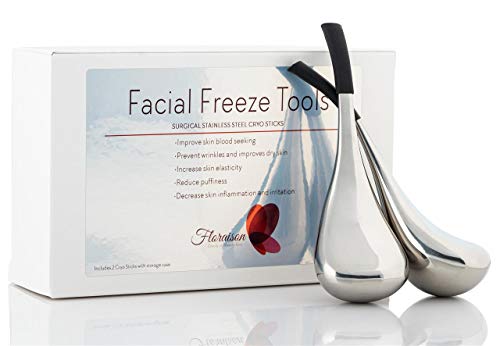
What wins the price for the most fancy looking skin care tools? I say it has to be cryo sticks!
Not only do they look like some artsy decoration. Even when using them it instantly gives you the vibe of some expensive spa treatment.
And the best thing? These actually work and won’t harm your face!
Cryo facial tools are basically the fancy version of rubbing ice on your face. This means, they can reduce any swelling and help with puffy undereyes.
So if you’re someone who likes to treat themselves and also struggles with a puffy face in the morning or after travelling – definitely treat yourself to some Cryo facial tools!
Silicone Scrubbers

Face scrubbers are these cute little replacements for a wash cloth. Usually made from silicone, they are less likely to breed multitudes of bacteria.
However, unless it’s medical grade silicone, they are not “antibacterial” per so. So you might want to boil them clean every now and then, too.
If you usually use a wash cloth to clean your face, these silicone scrubbers might work for you.
I personally wouldn’t use them, as it’s very easy to apply to much pressure to your skin. And, as you might know by now, I really don’t think mechanical exfoliation is the greatest idea.
High frequency wand

Lastly, we can’t talk about skin care tools without mentioning high frequency wands. As with most skin care tools, the first encounter with high frequency wands is usually in an esthetician’s or dermatologist’s office.
Still, these wands are also available for at home use. You’ll have to pay quite a bit for it, but you can get it.
Unfortunately, there aren’t really any studies about the effectiveness of these for specific skin issues. But, their supposed effect of killing bacteria and thereby reducing inflammation would help with lots of things.
I imagine it as BPO without the side effects.
For this tool, I’d recommend getting the treatment done by an esthetician first and seeing if it does anything for you. Or, have someone give it to you for Christmas!
Which skin care tools will you try?
I hope this gave you some insight into which skin care tools it’s worth investing into. If it was helpful for you, please share this article!

*These links are so-called provision links, meaning, at no additional cost to you, I can earn a commission if you click through and make a purchase.